
The foundations of colloid science are seriously flawed…
Little things don’t just make a difference, they are often the key to the true behaviour of matter.
Physical chemistry and colloid science underpin our understanding of the foundation of everything from biology of our cells to the processes used to manufacture all man-made materials to the engineering that brings those materials to life.
It is our understanding of these fields that guides what is physically possible at every level, but our understanding is also the key limitation to how efficiently and effectively we can control all physical interactions.
Despite more than 150 years of research, our understanding remains fundamentally flawed because of errors of commission and omission.
As the ancient Greeks told us, there are four elements: Earth, Fire, Air and Water. Understanding the behaviour of these elements is the key to understanding every aspect of the world around us. However, it is not how these elements behave in isolation, but the effect they have on each other’s behaviour, that determines how the world works. This interactivity is the missing component and is the key to understanding the true nature of all physical interactions, from protein folding and all biological and physiological process, to extraction and manipulation of mining and engineering.
The good news is these flaws are not only the problem but also provide the answers to fundamentally new opportunities for more effective processes, with low cost, low energy, sustainable methods of treating water, from sterilisation, to desalination and removing heavy metals to countless other physical and industrial processes.
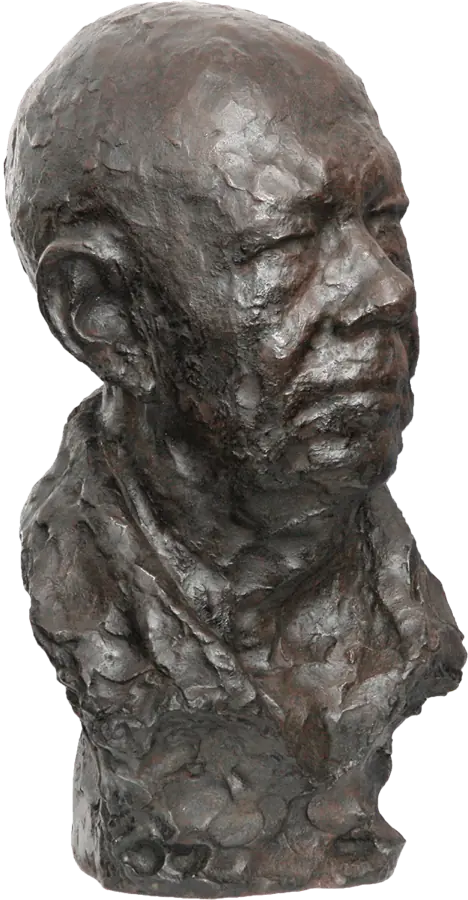
Barry Ninham
Professor Ninham is the world’s leading researcher on colloid and surface science, an interdisciplinary science combining physical, chemical and biological sciences.
He is renowned for his work in the self-assembly of biological molecules and the theory of molecular forces.
Professor Ninham and his colleagues designed world-leading technologies for desalination and for cleaning recycled water of bacteria, viruses, drugs, arsenic and nuclear waste. This technology is particularly relevant to developing countries where access to clean water is challenging.
My StoryTechnologies

Two truths cannot contradict each other
Share the knowledge
Share the knowledge
Know someone or an organisation that could utilise our research and or technology? Please share any of our ideas, links, papers with them & feel free to contact Professor Barry Ninham.
Get in touch
Looking for collaboration on a research project? Media enquiries? Please get in touch.
Recent updates
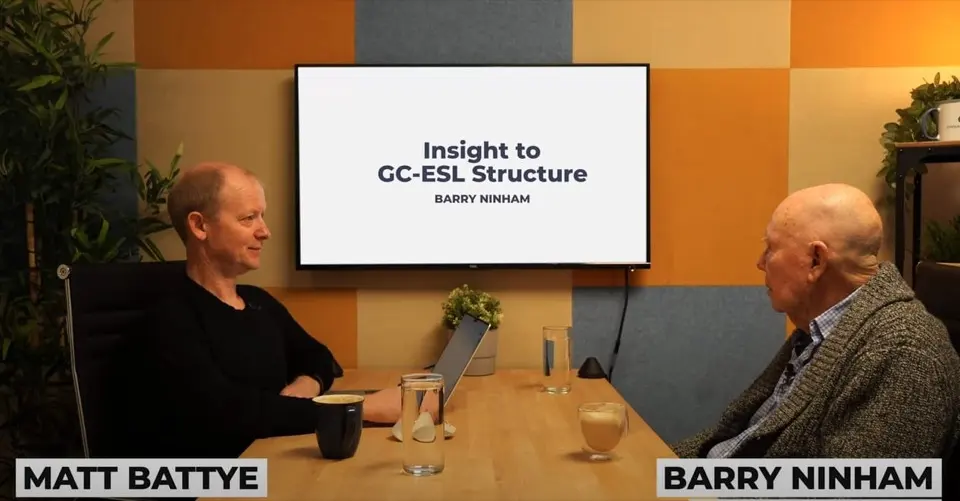
Insights into GC-ESL Structure
In this in-depth video, we dive into the complex world of self-assembly and its role in biology, with a focus on the glycocalyx, an essential structure for cellular communication and homeostasis…
Read more →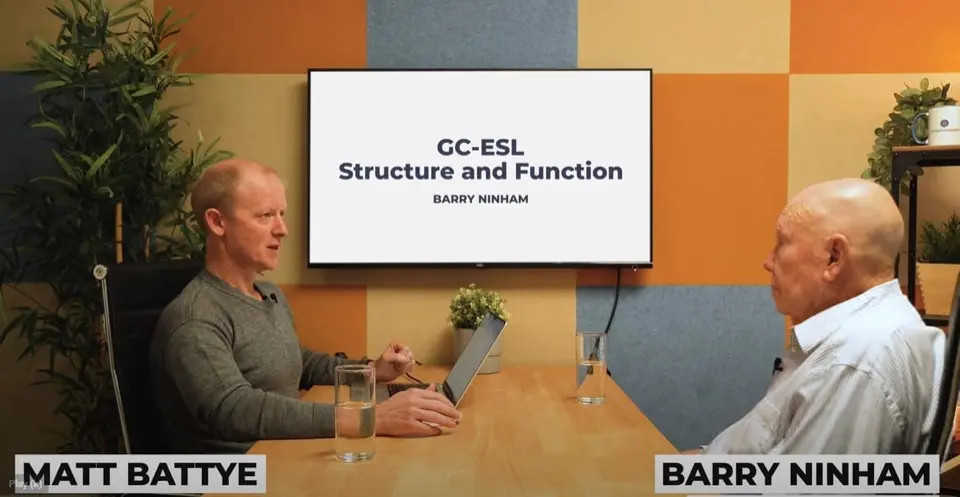
GC-ESL Structure and Function
In this video, we delve into the intricate world of nano bubbles and the glycocalyx, two critical elements in maintaining cellular health and preventing disease…
Read more →
Introduction to Nano Bubbles
Dive deep into the fascinating world of nano bubbles and their critical role in biological processes. In this insightful conversation, we explore the evolution of scientific thought…
Read more →